
Month-by-Month Best Time to Visit India for International Tourists


India is a land of changing seasons, living traditions, and dramatic landscapes. For international tourists, understanding the best time to visit India month by month helps in planning a smooth, comfortable, and memorable journey. Because India is vast, weather conditions, festivals, and travel experiences vary significantly throughout the year. This guide explains what each month offers, making it easier to choose the perfect time for your visit.
January: Peak Winter Comfort and Cultural Richness
January is one of the best months to travel to India. The weather is cool and pleasant across most regions, especially in North and Central India. International tourists enjoy sightseeing without heat or rain, making it ideal for visiting historical monuments, cities, and wildlife parks. Rajasthan, Delhi, Agra, and Varanasi are especially popular during this time. Southern India remains warm and comfortable, perfect for beach holidays and temple tours.
February: Ideal Weather and Colorful Festivals
February continues the pleasant winter climate and is perfect for long-distance travel across India. Days are sunny and mild, while nights are cool. This month is famous for cultural events and festivals, including traditional celebrations that attract international visitors. Wildlife safaris are excellent during February, as animals are easier to spot in national parks.https://infoexpress24.com/himchal-pradesh-weather/
March: Transition from Winter to Spring
March marks the end of winter and the beginning of warmer days. It is still a very good time for international tourists, especially in North India. The famous festival of colors, Holi, usually falls in March and offers a unique cultural experience. Sightseeing remains comfortable, although temperatures slowly begin to rise toward the end of the month.https://infoexpress24.com/kasol-travel-guide-himachal-pradesh/
April: Start of Summer with Regional Advantages
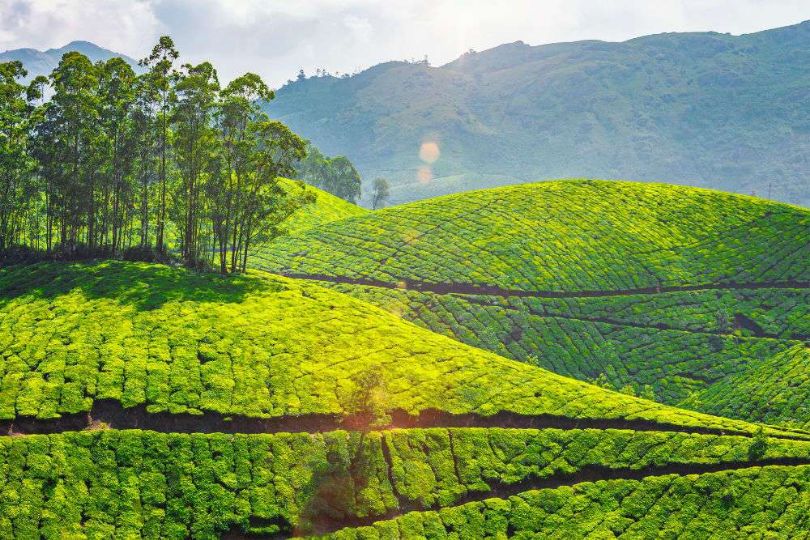
April introduces summer in many parts of India. While cities in the plains start getting warm, hill stations and Himalayan regions become attractive destinations. This month is suitable for travelers planning to explore mountain areas, tea plantations, and cooler regions. Tourist crowds reduce, making travel more peaceful.
May: Hot Weather but Great for Hill Stations
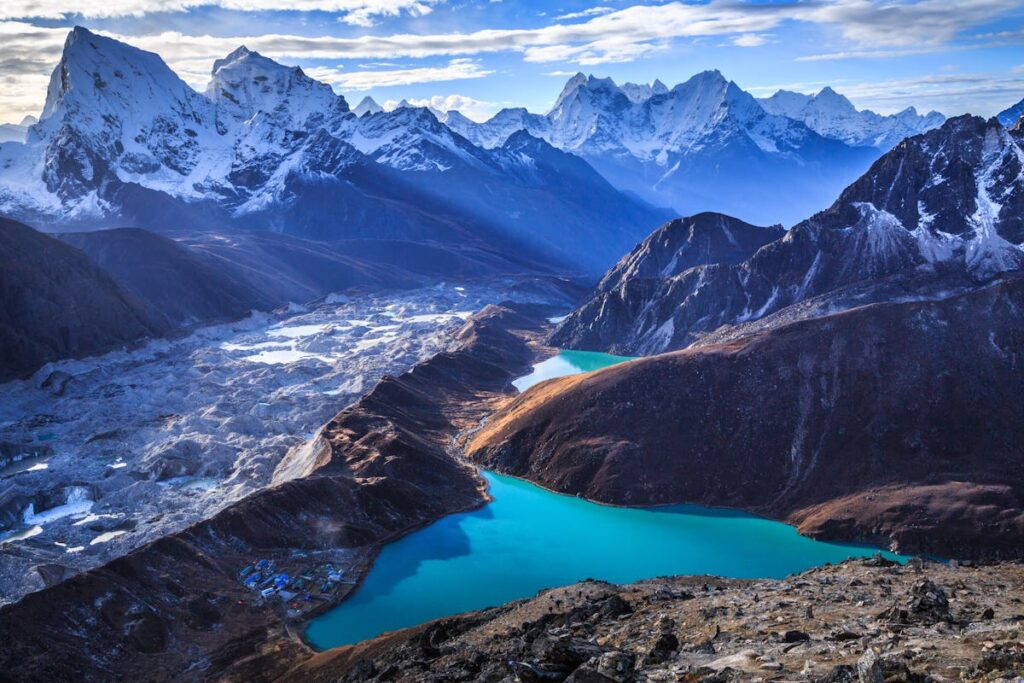
May is one of the hottest months in India, and travel in lowland cities can be challenging for international tourists. However, this is the best time to visit hill stations such as Manali, Shimla, and Darjeeling. Adventure tourism, trekking, and mountain escapes are popular during this month. Budget travelers may also find better deals on hotels and flights.
June: Early Summer and Pre-Monsoon Period
June remains hot in most regions, but it also signals the arrival of the monsoon in some parts of India. Northern hill regions and Himalayan destinations are still suitable for travel. Toward the end of June, greenery begins to appear, especially in southern and coastal areas.
July: Monsoon Begins – Green and Refreshing
July marks the full arrival of the monsoon season. Rainfall transforms landscapes into lush green scenery, especially in Kerala, the Western Ghats, and Northeast India. While travel disruptions can occur, this month is perfect for nature lovers, photographers, and travelers seeking quiet experiences away from crowds.
August: Monsoon Beauty and Cultural Depth
August continues the rainy season but also hosts important national and religious festivals. Spiritual destinations and wellness retreats are popular during this time. Although humidity can be high, the natural beauty of India during monsoon is unmatched.
September: End of Monsoon and Fresh Landscapes
September marks the retreat of the monsoon. Rainfall decreases, and landscapes remain green and vibrant. This is a good time for travelers who prefer fewer crowds and moderate prices. Weather conditions gradually improve, making travel easier toward the end of the month.
October: Beginning of the Best Travel Season
October is one of the most recommended months to visit India. The weather becomes dry and pleasant across most regions. Tourist destinations reopen fully, and festivals add cultural charm. This month is excellent for sightseeing, beach holidays, and cultural tours.
November: Perfect Balance of Weather and Festivities
November offers ideal travel conditions for international tourists. Temperatures are comfortable, skies are clear, and major festivals take place across the country. It is an excellent time to explore both North and South India without weather-related concerns.
December: Festive Atmosphere and Peak Tourism
December is a peak travel month in India. Pleasant winter weather, holiday celebrations, and vibrant city life attract travelers from around the world. Beaches, heritage cities, and cultural destinations are at their best. Advance bookings are recommended due to high demand.
Final Conclusion: Best Overall Time to Visit India
For most international tourists, October to March is the best time to visit India. These months offer comfortable weather, rich cultural experiences, smooth transportation, and access to all major attractions. While summer and monsoon seasons have their own charm, winter remains the most reliable and enjoyable period, especially for first-time visitors.https://infoexpress24.com/kasol-travel-guide-himachal-pradesh-2/