
Best Time to Visit India for International Tourists – A Complete Seasonal Travel Guide
India is one of the most diverse travel destinations in the world, offering ancient history, vibrant cultures, spiritual depth, varied landscapes, and unforgettable food experiences. From the snow-covered Himalayas in the north to the tropical beaches of the south, India changes its colors with every season. For international tourists, choosing the best time to visit India is extremely important because weather, festivals, and travel comfort vary greatly throughout the year.
This detailed guide explains the best season to travel to India, climate conditions, regional differences, and what international travelers can expect during different months, helping you plan the perfect Indian journey.
Understanding India’s Climate for Travelers
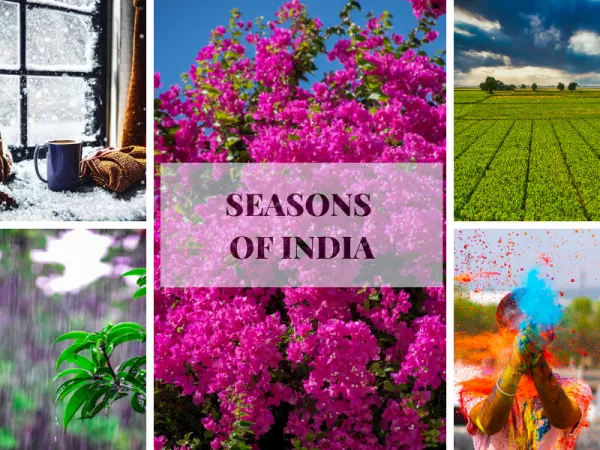
India experiences a tropical and subtropical climate, influenced by geography and monsoon winds. The country is generally divided into three main travel seasons: winter, summer, and monsoon. Each season offers a different travel experience, but not all seasons are equally suitable for first-time international tourists.
Because India is vast, weather conditions in Rajasthan, Kerala, Ladakh, and the Northeast can be completely different at the same time. However, for most travelers visiting major tourist circuits, the winter season is considered the best time to visit India.
Winter Season (October to March): The Best Time to Visit India
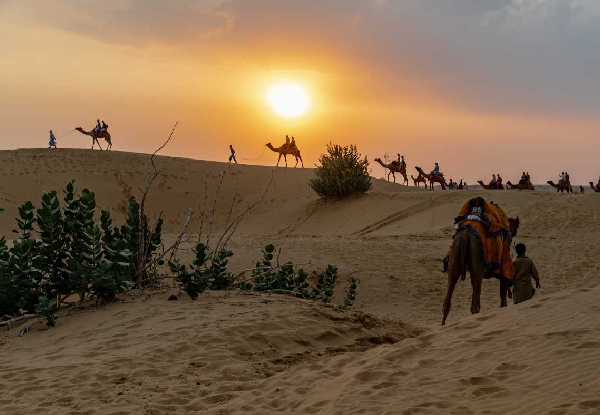
For international tourists, October to March is widely regarded as the ideal travel period. During these months, the weather is pleasant, dry, and comfortable across most parts of the country.
Winter in India does not mean extreme cold everywhere. Northern plains such as Delhi, Agra, and Jaipur experience mild to cool temperatures, while southern regions like Kerala and Tamil Nadu remain warm but pleasant. This balance makes sightseeing enjoyable without heat exhaustion or heavy rainfall.
This season is perfect for exploring famous attractions such as the Taj Mahal, Golden Triangle, Rajasthan palaces, Kerala backwaters, and Goa beaches. Wildlife safaris also operate at full capacity during winter, making it an excellent time to visit national parks like Ranthambore and Jim Corbett.
Winter is also the peak festival season in India. International tourists can experience cultural celebrations like Diwali, Christmas, New Year, Makar Sankranti, and Holi. These festivals add color, joy, and authenticity to the travel experience.
From a travel comfort perspective, winter offers the best road conditions, smoother train journeys, and fewer weather-related disruptions. This is why winter is the most recommended season for first-time visitors to India.https://infoexpress24.com/kasol-travel-guide-himachal-pradesh-2/
https://infoexpress24.com/himchal-pradesh-weather/
Summer Season (April to June): Challenging but Region-Specific
The summer season in India can be intense, especially for travelers not accustomed to high temperatures. From April to June, many regions experience extreme heat, with temperatures often crossing 40°C in northern and central India.
However, summer is not entirely unsuitable for international tourists. Hill stations such as Manali, Shimla, Darjeeling, and Ooty become popular summer retreats. The Himalayan regions offer cool weather, scenic landscapes, and adventure activities like trekking and river rafting.
Summer is also a good time for travelers interested in fewer crowds and lower hotel prices. Popular tourist destinations are less crowded, allowing a quieter and more relaxed experience. For budget travelers, summer travel in India can be cost-effective.
That said, sightseeing in cities like Delhi, Jaipur, or Varanasi can be exhausting due to the heat. Travelers must plan carefully, stay hydrated, and limit outdoor activities during peak afternoon hours.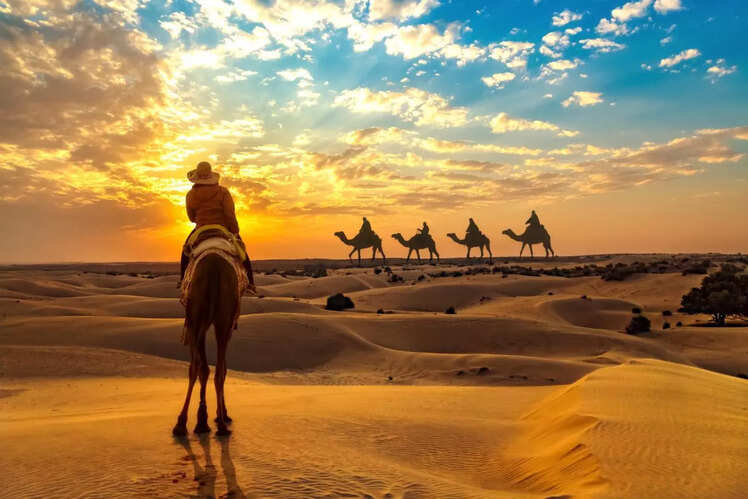
Monsoon Season (July to September): A Unique but Risky Experience
The monsoon season in India begins in July and lasts until September. During this period, the country receives heavy rainfall, especially in western, southern, and northeastern regions.
Monsoon transforms India into a lush green paradise. Hill regions, tea gardens, waterfalls, and forests look stunning, making it a dream for nature lovers and photographers. Places like Kerala, Meghalaya, and Coorg are exceptionally beautiful during this time.
However, monsoon travel also comes with challenges. Heavy rain can cause flight delays, road blockages, landslides, and humidity-related discomfort. For international tourists with limited travel time, monsoon season may not be ideal due to unpredictable conditions.
Despite this, monsoon is considered a good time for Ayurveda retreats, wellness tourism, and slow travel. Kerala, in particular, attracts international tourists seeking traditional treatments during the rainy season.
Best Time to Visit India by Travel Interest
The best time to visit India also depends on your travel goals. Cultural exploration, wildlife safaris, beach holidays, spiritual journeys, and adventure travel all have different ideal seasons.
Cultural and historical sightseeing is best during winter when walking tours and monument visits are comfortable. Beach lovers should also choose winter, as the sea remains calm and weather stays pleasant. Wildlife enthusiasts will find winter ideal because animals are more visible near water sources.
Adventure seekers heading to the Himalayas may prefer late spring or early summer, while wellness travelers may enjoy the monsoon season for peaceful retreats.
Why Winter Is Best for First-Time International Tourists
For travelers visiting India for the first time, winter offers the most balanced experience. The weather is manageable, transportation runs smoothly, and tourist infrastructure operates at full efficiency. English-speaking guides, hotels, and tour operators are easily available during this peak season.
Additionally, winter allows international tourists to experience India’s diversity without extreme weather stress. Whether you are exploring ancient temples, bustling markets, or serene landscapes, winter enhances every aspect of travel.
Final Thoughts: Choosing the Perfect Time to Visit India
India is a year-round destination, but for international tourists seeking comfort, safety, and a rich cultural experience, October to March is the best time to visit India. This period offers pleasant weather, vibrant festivals, smooth travel conditions, and access to all major tourist attractions.
While summer and monsoon have their own charm, winter remains the most recommended season, especially for first-time visitors. By planning your trip according to the right season, you can experience the true essence of India in the most enjoyable way.https://infoexpress24.com/himchal-pradesh-weather/